Bubble noise meter
You’re watching a demo signal. Start to hear your room. Nothing is recorded.
Calm room, slow bubbles. Loud room, a full boil. The youngest kids read it from the back row without knowing a single number.
Why it works
Why bubbles work for little kids
Five-year-olds don’t need a gauge. They need something that visibly reacts to them. A few slow bubbles mean the room is calm; a pot boiling over means it isn’t. Children connect their own voices to the picture within a minute.
The bubbles are tied to the same calibrated engine as every other mode, so “boiling” always means your room has crossed the Too loud line for the scene you picked, not just that someone dropped a book. For a class that already knows colours, the noise traffic light is the next step.
 Back row · ≈ 9 m
Four scenes
Same room, different rules
Test
Noisy +5 · Too loud +10
Tests and silent reading. A whisper already counts.
Independent
Noisy +10 · Too loud +15
Quiet work time. Pencils and the odd question are fine.
Group
Noisy +15 · Too loud +22
Table talk at an indoor voice. Shouting across the room is not.
Free time
Noisy +20 · Too loud +28
Indoor recess, crafts and games. Only real chaos trips it.
In the room
Ways teachers use the bubbles
Bubble breath
Before a transition, the class “blows” the bubbles calm together: one deep breath, then silence.
Keep the pot simmering
A few bubbles is fine. The goal is a simmer, never a boil. Kids like a target they can actually hit.
Project it big
Press Project. The bubbles fill the screen and the controls hide, so nothing distracts from the picture.
Same engine
Five more ways to show it
Classroom noise meter
A backlit VU meter with the scene’s lines on the face.
Open meter →
Bouncy ball noise meter
A resting pile that jumps when the room gets loud.
Open bouncy balls →
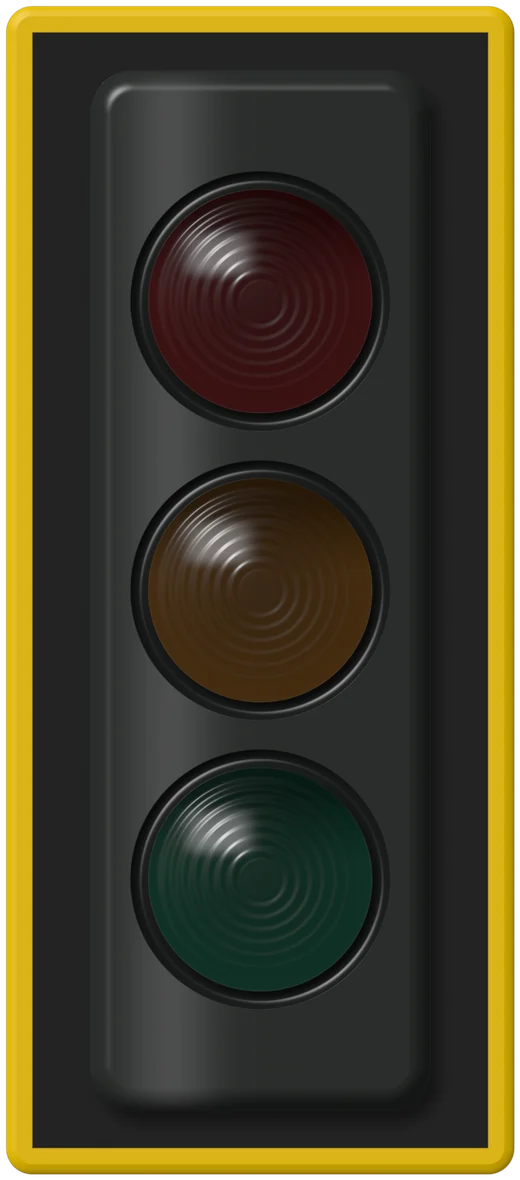



Noise traffic light for classroom
Green, yellow, red. Nothing to explain.
Open traffic light →
Classroom noise monitor
Five minutes of history with scene lines and an alarm.
Open monitor →
Custom noise meter
Your own pictures bounce or float. Nothing uploaded.
Open your pictures →
Privacy
Nothing leaves this browser.
No recording
Sound is reduced to one loudness number about twenty times a second, then discarded.
No upload
Nothing is sent to a server. Load the page, unplug the internet, and the meter keeps working.
No account
No sign-up, no student data. Settings live in this browser only.
No tricks
We switch off the browser’s auto-volume so a loud room actually reads as loud.
Questions teachers ask
FAQ
What makes the bubbles boil?
Only the room’s volume relative to your calibrated baseline. In the default Independent work scene they start boiling about 15 dB above the quiet floor, and pop when the room stays there for three seconds.
Can I make it less sensitive for younger kids?
Yes. Pick the Group work or Free time scene, or slide Strictness toward Looser. Each step moves every line by 1 dB.
Do I have to show numbers?
No. The bubble view shows only the state word. The level number stays on the control strip below, and it disappears in Project mode.
Does it record anything?
No. Audio is reduced to one loudness value in your browser and discarded. Nothing leaves the device.